Overview
Cartalax is a synthetic short peptide with the reported sequence Ala-Glu-Asp. It belongs to the family of peptide bioregulators developed by the Khavinson research group, and it is associated with cartilage and connective tissue. It is studied in research on chondrocytes and connective tissue cell cultures.
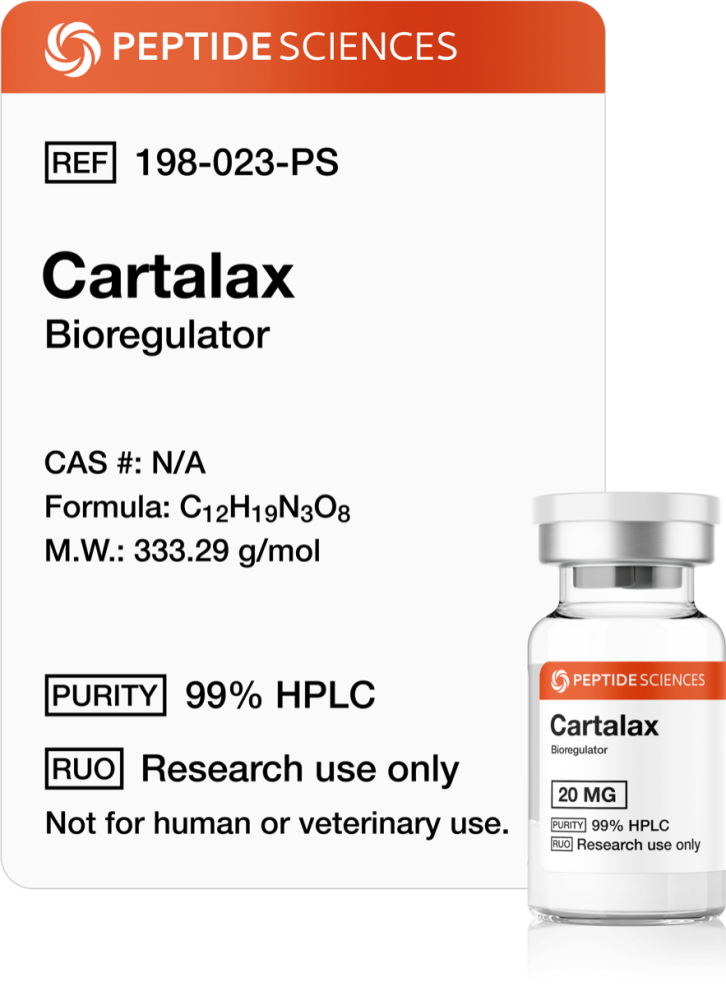
Peptide Sciences Bio supplies Cartalax 20mg for in-vitro and preclinical laboratory investigation. Every batch is supported by independent analytical testing and a published Certificate of Analysis.
Product Specifications
| Product | Cartalax |
|---|
| Quantity | 20mg per vial |
|---|
| Class | Short peptide bioregulator (cartilage and connective tissue) |
|---|
| Sequence (as reported) | Ala-Glu-Asp |
|---|
| Length | 3 amino acids |
|---|
| Associated tissue | Cartilage and connective tissue |
|---|
| Molecular weight | See batch Certificate of Analysis |
|---|
| Form | Lyophilized powder |
|---|
| Purity | ≥99% (HPLC) |
|---|
| Documentation | Batch-specific Certificate of Analysis |
|---|
Research Background
Peptide bioregulators are very short peptides, usually two to four amino acids long, developed by Professor Vladimir Khavinson and colleagues at the St. Petersburg Institute of Bioregulation and Gerontology. The work began with extracts of animal tissues, called cytomedins, and later identified short synthetic sequences reported to reproduce their activity. Each bioregulator is associated with a specific tissue. The proposed mechanism is that these small peptides enter the cell nucleus, bind specific DNA sequences and influence gene expression in a tissue-specific way.
Most published research on bioregulators comes from this Russian research school, and independent replication outside it is limited. Researchers should keep this in mind when designing studies.
Structure & Background
At 3 amino acids, Cartalax is among the smallest biologically studied peptides. Peptides of this size are chemically simple and stable in lyophilized form. Research from the Khavinson group has proposed that bioregulators of this size can reach the cell nucleus and interact with DNA and histone proteins, influencing which genes are expressed.
Mechanisms Studied
Research on Cartalax has examined:
- Gene expression: reported tissue-specific changes in gene expression in cell cultures.
- Chromatin interaction: proposed binding to DNA promoter regions and histones.
- Tissue-specific effects: studies in cartilage and connective tissue cell and animal models.
- Aging research: studies in aged animal models from the bioregulator literature.
Areas of Study
- Cartilage and chondrocyte research
- Connective tissue research
- Bioregulator peptide research
These findings come from laboratory and animal research. Cartalax has not been established as safe or effective in human clinical trials.
Related Research Peptides
Quality & Testing
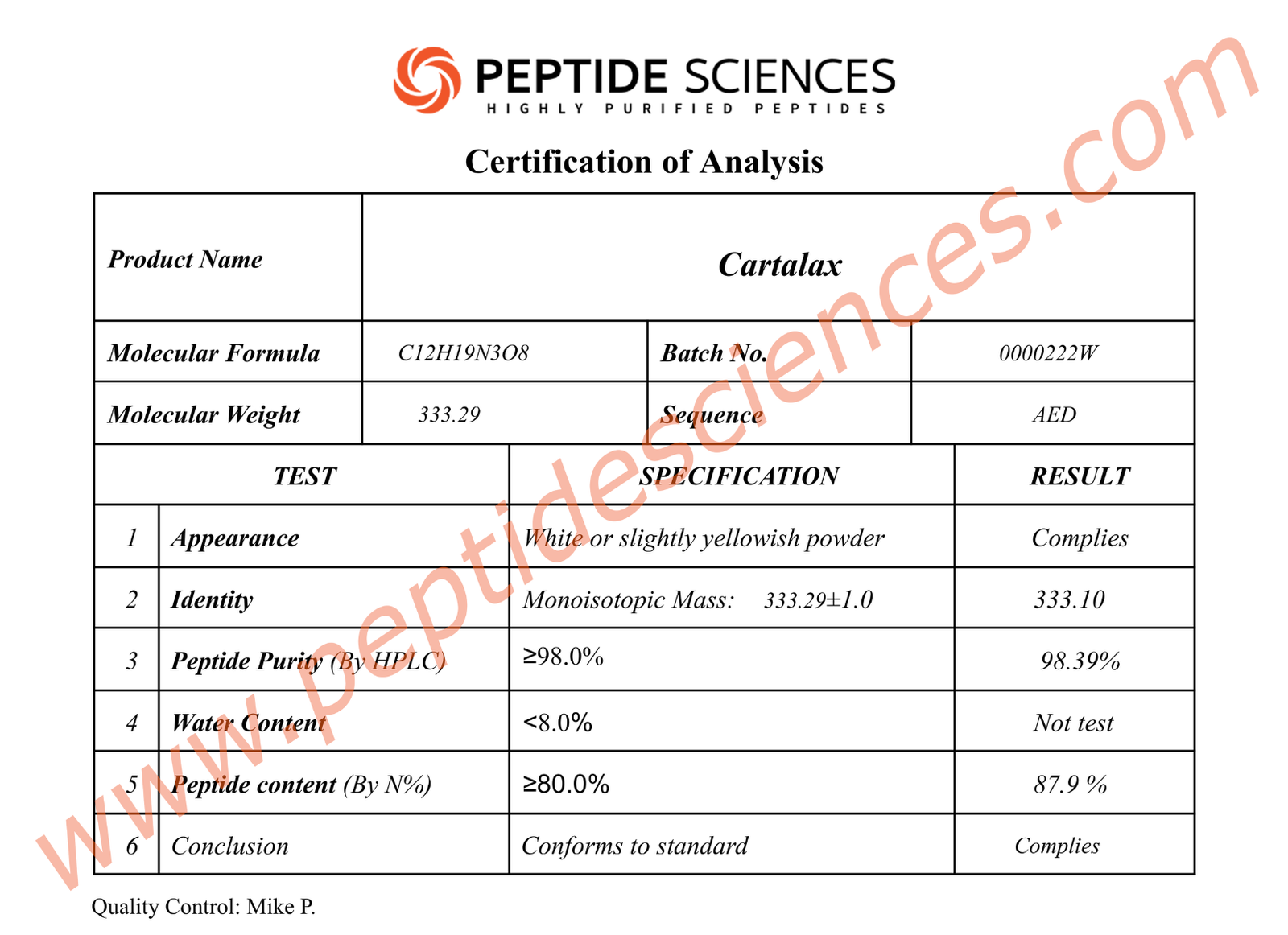
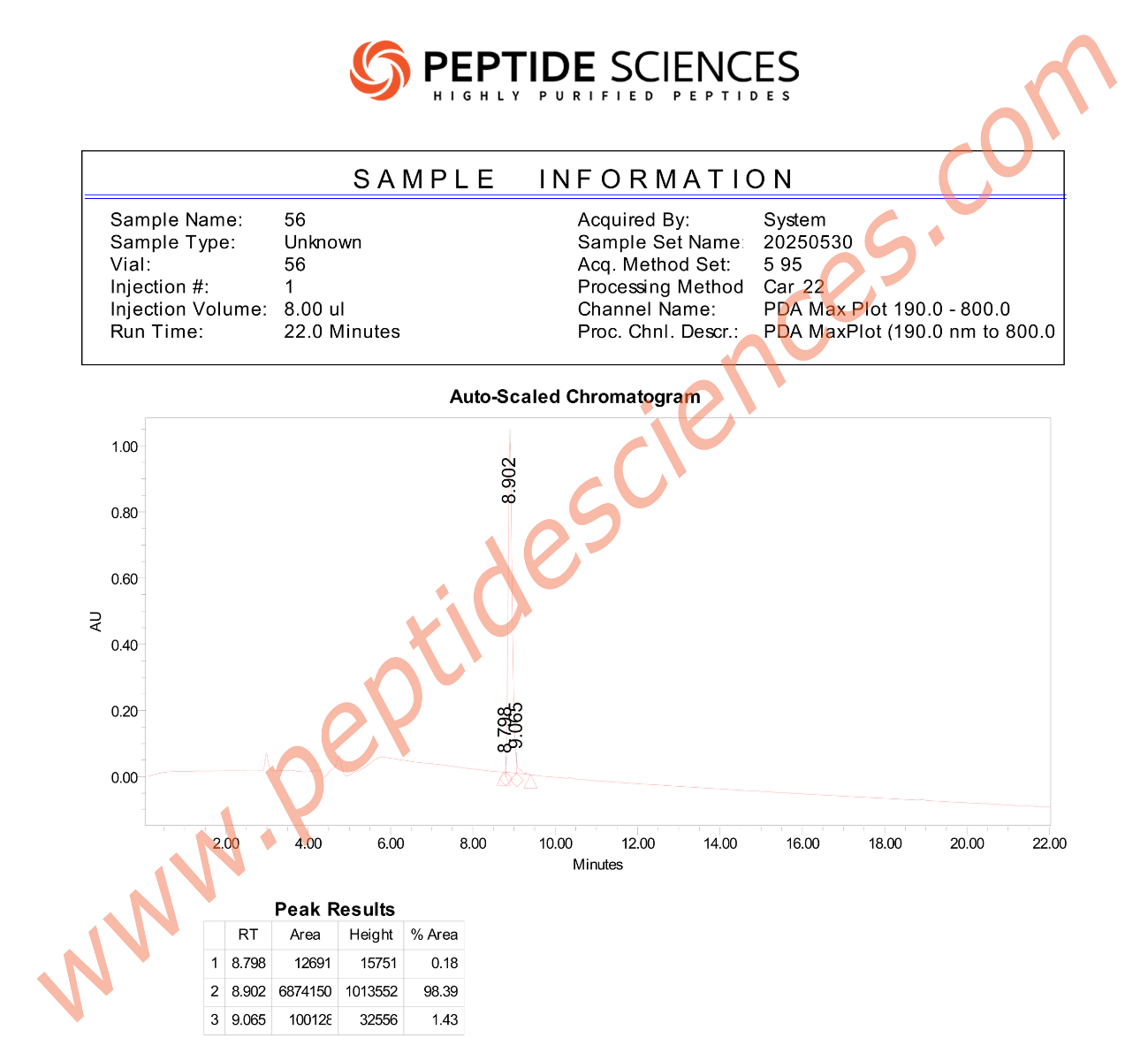
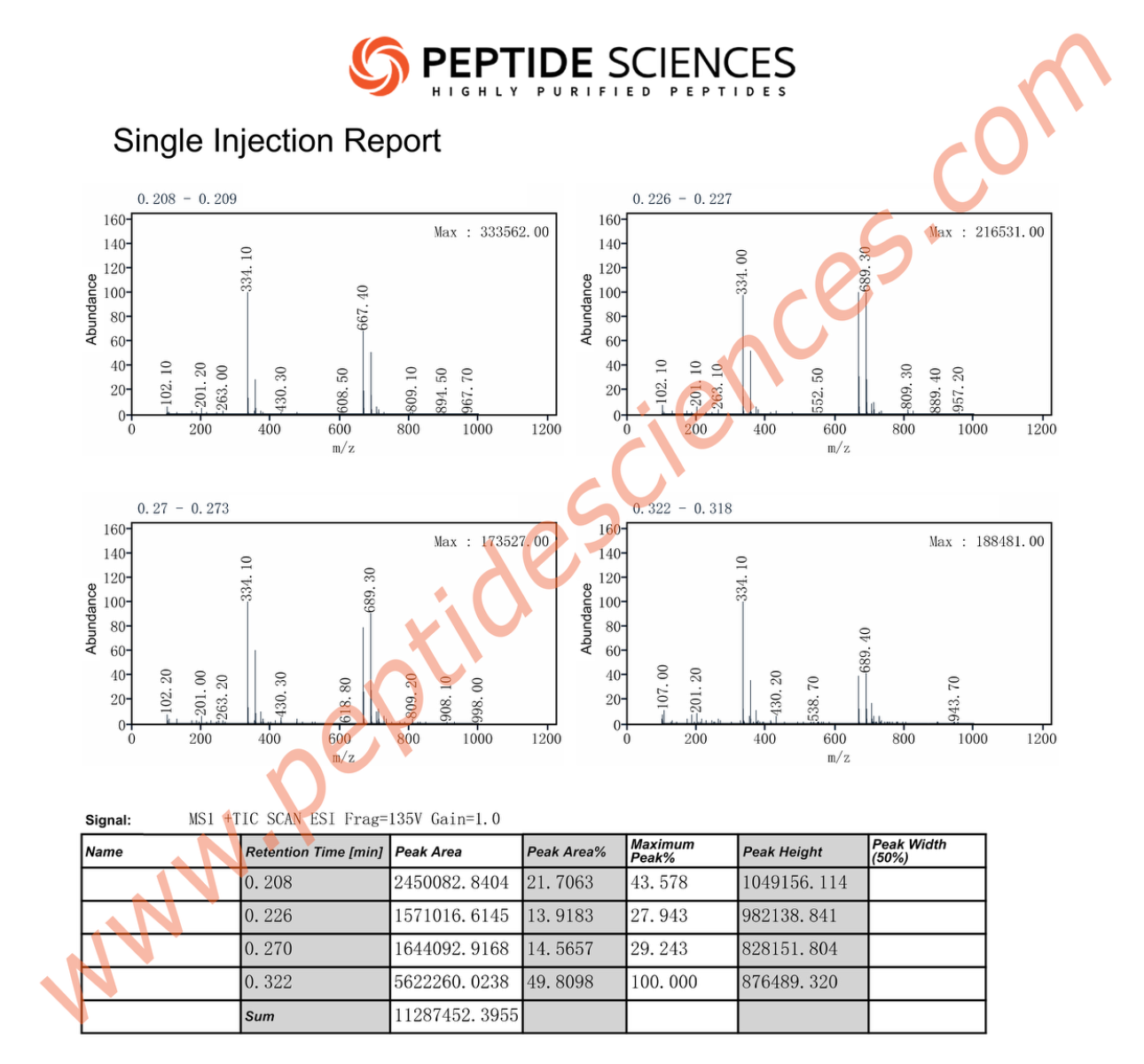
Every batch of Cartalax is independently tested for identity and purity before release. Testing includes high-performance liquid chromatography (HPLC) to confirm purity and mass spectrometry (MS) to confirm molecular identity. The batch-specific Certificate of Analysis is available on this page and in our COA library, so researchers can verify the exact material they receive.
Storage & Handling
- Store lyophilized Cartalax at −20°C, protected from light and moisture.
- Short-term storage at 2–8°C is acceptable for lyophilized material.
- Allow the vial to reach room temperature before opening to limit condensation.
- Handle using standard laboratory practices and appropriate protective equipment.
For laboratory solution preparation, see our Peptide Reconstitution Guide.
Frequently Asked Questions
What is Cartalax?
Cartalax is a synthetic short peptide (Ala-Glu-Asp) from the Khavinson bioregulator family, associated with cartilage and connective tissue.
Is Cartalax approved for human use?
No. Cartalax is not approved by the FDA or any other regulatory agency for human or veterinary use. Peptide Sciences Bio sells it strictly for laboratory research.
How should Cartalax be stored?
Lyophilized Cartalax should be stored at −20°C, away from light and moisture. Short-term storage at 2–8°C is acceptable.
What does the Certificate of Analysis include?
Each COA reports the batch number, HPLC purity results and mass spectrometry confirmation of molecular identity for that specific batch.
Research Use Only
This product is intended solely for in-vitro research and laboratory experimentation by qualified professionals. It is not a drug, food, supplement or cosmetic, and it is not intended for human or veterinary use, or for the diagnosis, treatment or prevention of any condition. Purchase is restricted to buyers who agree to our Terms of Sale.